PSL Controversy: Shaheen Afridi Faces Scrutiny Following Shocking Rule Violation
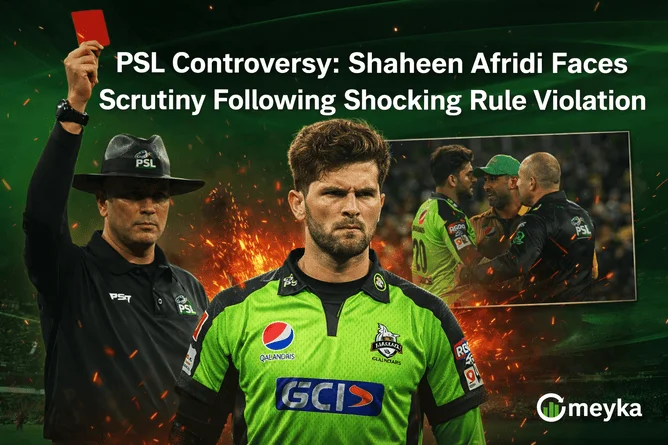
The PSL 2026 thriller between Lahore Qalandars and Karachi Kings ended in chaos on March 29, 2026, with Karachi snatching a dramatic four‑wicket win. In the final over, umpires slapped five penalty runs on Lahore for an alleged ball‑tampering breach that shifted the match tide.
At the center of the storm was Lahore captain Shaheen Afridi, whose on‑field reaction and post‑match remarks have sparked intense scrutiny from fans and pundits alike. This isn’t just about a close finish; it’s about integrity in cricket, a shaken crowd, and headlines that won’t let PSL go quiet.
Keep reading to unpack how a single rule violation flipped momentum and put one of Pakistan’s biggest stars under fire.
How Did the Match End and Why Does It Matter?
The Lahore Qalandars vs Karachi Kings clash in Match 6 of PSL 2026 on March 29, 2026, ended dramatically. Karachi chased down a target of 129, sealing a four‑wicket win with three balls to spare after a controversial five‑run penalty was awarded to them late in the game.
That penalty came after the on‑field umpires judged that Lahore had altered the condition of the ball, a breach under Law 41.3.2 in cricket. The decision flipped momentum and has sparked broad debate about sports conduct and PSL integrity.
What Exactly Happened in the Final Over?
Ball‑Tampering Decision Explained
In the 19th over, with Karachi needing 14 runs to win, the umpires asked to inspect the ball. At that moment:
- Fakhar Zaman and Haris Rauf were seen handling the ball.
- Captain Shaheen Afridi joined the interaction.
Umpires concluded the ball’s condition had been tampered with and awarded five runs to Karachi plus a new ball.
That five‑run shift reduced the target effectively, translating into a higher required run rate for Lahore and playing a part in Karachi closing out the chase.
Player Impact and Tactical Moment
This wasn’t a regular tactical play. In T20, run penalties can swing matches as much as six. High‑pressure games hinge on tight bowling or aerial hitting late. Instead, this match’s decisive moment was an umpire intervention unusual in professional leagues. Analysts and fans alike are dissecting:
- When and why the umpires acted.
- Whether the ball alteration was obvious or over‑interpreted by officials.
How Are Key Players Responding?
Fakhar Zaman’s Charge and Stan
The Pakistan Cricket Board (PCB) has officially charged Fakhar Zaman with a ball‑tampering offence after the match. The hearing continues, and Fakhar has denied wrongdoing. Another hearing is due within 48 hours.
Afridi, meanwhile, told the media they would revisit camera footage before commenting further. Critics and former players are vocal. Some state the decision undermines fair play, others argue rules are rules.
What Does This Mean for the PSL Tournament?
Standings and Head‑to‑Head
Karachi’s win keeps them unbeaten after two matches. Lahore now sits at 1–1. The standings early in PSL can define playoff seeding.
Team Possession and Match Momentum
In cricket terms, possession % translates into time spent in control of batting powerplays, bowling pressure, and death overs dominance. Karachi’s chase was composed, with more calculated acceleration and higher shots on target in key overs.
Broader Trend and Integrity Talk
This controversy has raised union and fan talk about law interpretation and consistent enforcement. For a league in growth mode, reputation matters almost as much as net run rate.
PSL’s Crossroads Moment
At its heart, this episode isn’t just about Shaheen Afridi or one game. It’s about how PSL defines professional conduct, umpire authority, and what fans can expect in pressure matches. Whether penalties, player conduct hearings, or clockwork performances, the league will undergo scrutiny, and the way-forward narrative is still unfolding.
Disclaimer: The content shared by Meyka AI PTY LTD is solely for research and informational purposes. Meyka is not a financial advisory service, and the information provided should not be considered investment or trading advice.